
Barbiturates can sound like an old topic. Many people think they are “from the past.” But barbiturates still show up in street drug use today. They also show up in mixed drug situations, where people take more than one substance without fully understanding what they are taking. That can turn a risky drug into a very dangerous one, very fast.
If you are reading this, you might be worried about yourself. Or you might be worried about someone you love. You may notice new mood swings. Sleep is getting worse. Maybe someone seems slow, confused, or “not present.” This blog explains how barbiturates affect the body and mind in a simple, clear way.
It also explains warning signs of misuse, loss of control, mental health changes, and the risk of dependence. Places like Socal Recovery often speak with families who are scared and unsure what to do next, so this is written with care and respect.
The objective of this blog is to explain, how barbiturates affect the body and mind. It helps readers connect the effects to real symptoms they might notice at home, at school, or at work. It also highlights warning signs of misuse, mental health impact, and the risk of dependence. It ends with a gentle reminder that confidential treatment support is available.
What Barbiturates Are And Why They Matter
Barbiturates are drugs that slow down the central nervous system. That means they slow brain activity and body signals. Years ago, rehab programs used these medications more often to manage sleep issues, anxiety, and seizure conditions during treatment. Over time, many doctors moved away from them because of their high safety risks, especially when misused.
On the street, barbiturates may be sold under different names or taken in pills that do not match what the person thinks they are. Sometimes people take them to sleep. Sometimes they take them to “calm down.” Sometimes they take them with other substances. The risk increases when drugs are mixed, because the brain and body can get overwhelmed.
Understanding how barbiturates affect the body and mind starts with one basic point: these drugs do not “lift you.” They push the brain and body down into a slower mode.
How Barbiturates Affect The Body And Mind In Simple Terms
The brain controls breathing, alertness, memory, and emotion. Barbiturates slow the brain’s activity. That is the main way barbiturates affect the body and mind, as shown in daily life.
Some people feel calm at first. They may feel less anxious. They may feel sleepy. They may feel like their thoughts are quieter. But the same slowing effect can also cause problems. People can become confused. They can have poor balance. They can speak slowly or slur words. They can react slowly to questions or situations.
In simple terms, barbiturates can make the brain work “too slow.” When the brain slows too much, important body functions can also slow down. That is why these drugs can be risky, even if a person does not plan to harm themselves.
If you are seeing someone act unusually drowsy, unusually confused, or unusually detached, it may be linked to how barbiturates affect the body and mind.
Short-Term Effects People Often Notice
Short-term effects can look different from person to person. But there are common patterns that many families notice.
In the body, a person may look very tired. They may move slowly. They may stumble. They may have poor coordination. They may appear “heavy” or unsteady. These changes are part of how barbiturates affect the body and mind because the drug slows nerve signals that help the body stay sharp and balanced.
In the mind, the person may seem spaced out. They may forget what they just said. They may repeat themselves. They may have trouble following a normal conversation. They may seem emotionally flat, as if nothing bothers them or excites them.
Some people also notice mood shifts. A person may go from calm to irritated quickly. They may get angry over small things. Or they may withdraw and stop talking much. These early signs are often brushed off as “stress” or “sleep problems,” but they can be connected to how barbiturates affect the body and mind.
Quick Signs People Often Describe
A person may seem “slow,” “foggy,” “out of it,” or “not fully there.” They may sleep at odd times. They may struggle to focus. They may act unlike their usual self.
Long-Term Effects On Health, Mood, And Thinking

When barbiturates are used repeatedly, the brain adapts. It tries to function while the drug is present. Over time, the person may feel “normal” only when they are using. That is a key part of how barbiturates affect the body and mind over the long term.
Long-term misuse can cause ongoing memory issues. It can reduce attention span. It can make decision-making harder. A person may become less motivated. They may stop caring about routines and responsibilities. They may isolate themselves from friends and family.
Sleep can also become messy. Some people start using barbiturates because they cannot sleep. But over time, the brain can become less able to sleep naturally without the drug. That can trap a person in a cycle.
Physically, long-term misuse can wear down overall health. People may eat poorly. They may neglect basic care. They may miss work or school. They may find themselves in unsafe situations because their judgment is impaired. These life changes are often the clearest proof of how barbiturates affect the body and mind beyond the “high.”
Warning Signs Of Misuse And Loss Of Control
Misuse is not only about how much someone takes. It is also about how they behave and how much control they have.
A person may start making excuses to use. They may claim they “need it” to sleep or relax. They may hide pills or lie about where they were. They may become defensive when asked questions. These behaviors often develop because the person is dealing with how barbiturates affect the body and mind, and does not want anyone to interrupt the pattern.
Common Warning Signs
- Needing the drug more often than before
- Taking it even when it causes problems
- Hiding use or being secretive
- Pulling away from family or friends
- Missing responsibilities
- Using the drug to handle stress, sadness, or fear
- Getting upset when they cannot access it
Loss of control can be subtle at first. It may start as “just one more time.” Then it becomes a habit. Then it becomes something the person cannot stop without help. That shift is a significant factor in how barbiturates affect the body and mind.
Worried About These Signs? Let’s Talk.
If these warning signs feel familiar, you’re not alone. A confidential conversation can help you understand what’s happening and what to do next.
Get Confidential HelpMental Health Impact And Emotional Changes
Some people turn to barbiturates because they feel overwhelmed. They may be anxious. They may have trauma. They may feel depressed. They may feel unable to sleep. At first, the drug can feel like a quick escape.
But over time, mental health often gets worse. That is a painful part of how barbiturates affect the body and mind.
Between doses, a person may feel more anxious. They may feel irritable. They may feel restless. They may feel low and hopeless. Some people also feel emotionally numb, like they cannot feel joy or connection. That can damage relationships and increase isolation.
If someone already struggles with anxiety or depression, barbiturate misuse can add a new layer of instability. It can also make it harder to think clearly, making problem-solving and coping more difficult.
This is one reason families often say, “They changed.” That change is not just an attitude. It can be linked to how barbiturates affect the body and mind and how the brain adapts to repeated use.
Dependence, Tolerance, And Withdrawal Risks
Dependence means the brain and body get used to the drug. Tolerance means the same amount may stop feeling like enough. Both can happen with barbiturates. This is a major reason why barbiturates can affect the body and mind, which can become dangerous over time.
Withdrawal can also be serious. People may feel intense anxiety. They may shake. They may have severe sleep trouble. They may feel confused. In some cases, withdrawal can involve medical emergencies. Because of this, stopping suddenly without medical support can be unsafe.
If someone seems severely unwell, has trouble staying awake, or has serious breathing changes, that is an emergency. It is important to contact local emergency services right away. Safety comes first.
Did You Know Facts
- Did you know barbiturates were once common sleep medicines before safer options were developed?
- Did you know many people do not realize a pill can contain something different than what it is claimed to be?
- Did you know mixing depressant-type drugs can raise the risk because the brain slows down too much?
- Did you know families often notice personality and memory changes before the person admits there is a problem?
- Did you know early support can reduce harm and help people regain stability sooner?
These facts matter because they explain how barbiturates affect the body and mind in real life, not just in textbooks.
When It May Be Time To Get Help
People often wait because they hope the problem will “pass.” But if you see ongoing warning signs, it may be time to talk to a professional.
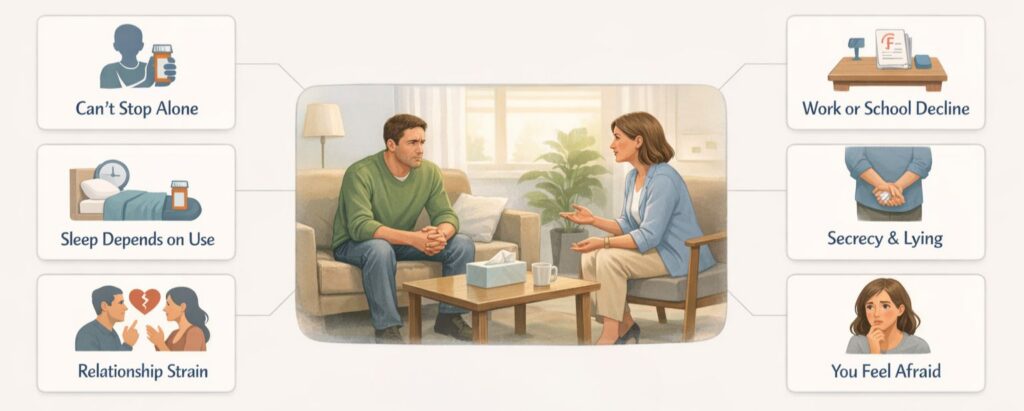
It may be time to reach out if:
- The person cannot stop on their own
- Mood and sleep depend on using
- Relationships are breaking down
- School or work is suffering
- The person is hiding use or lying about it
- You feel scared by how different they seem
Support can be private and respectful. Many people feel shame, but shame does not fix the problem. Care and structure do.
Professionals at Socal Recovery often remind families that help does not have to be dramatic or public. It can start with a confidential conversation and a plan that fits the person’s needs.
FAQs
What Are Barbiturates, In Simple Terms?
They are drugs that slow the brain and nervous system. This is the main way barbiturates affect the body and mind: through sleepiness, slowed thinking, and reduced coordination.
What Are Common Signs Someone Is Misusing Barbiturates?
Common signs include strong drowsiness, confusion, secrecy, mood changes, and needing the drug to sleep or feel calm.
Can Barbiturates Affect Mental Health?
Yes. They can increase mood swings, worsen anxiety between doses, and create emotional numbness over time.
Can Someone Become Dependent Quickly?
Dependence can develop with repeated use. The risk increases when someone uses the drug often or uses it to cope with feelings.
Is Withdrawal Serious?
Withdrawal can be serious and should be managed under medical supervision. If someone is in danger or severely unwell, emergency help is needed.
Conclusion
Barbiturates may seem like “old drugs,” but their risks are very real today. The main reason they are dangerous is simple: they slow the brain and body. That is how barbiturates affect the body and mind in the short term, and it is also how they can lead to dependence in the long term. People may start using it to sleep or calm down, but over time, the drug can change mood, thinking, memory, and self-control. Families often notice the changes first, and that can be frightening.
If you are worried about yourself or someone you love, you do not have to figure it out alone. Socal Recovery understands how scary this can feel, and confidential treatment support can help you take the next step safely.
If Something Feels Off, Reaching Out For Confidential Support Can Be The First Safe Step Back To Stability.