Have you noticed your waist getting bigger even though your eating habits haven’t changed much? For some men, regular alcohol consumption may be part of the reason. Alcohol adds calories to the diet and can affect eating habits, sleep, and physical activity, all of which can influence weight over time.
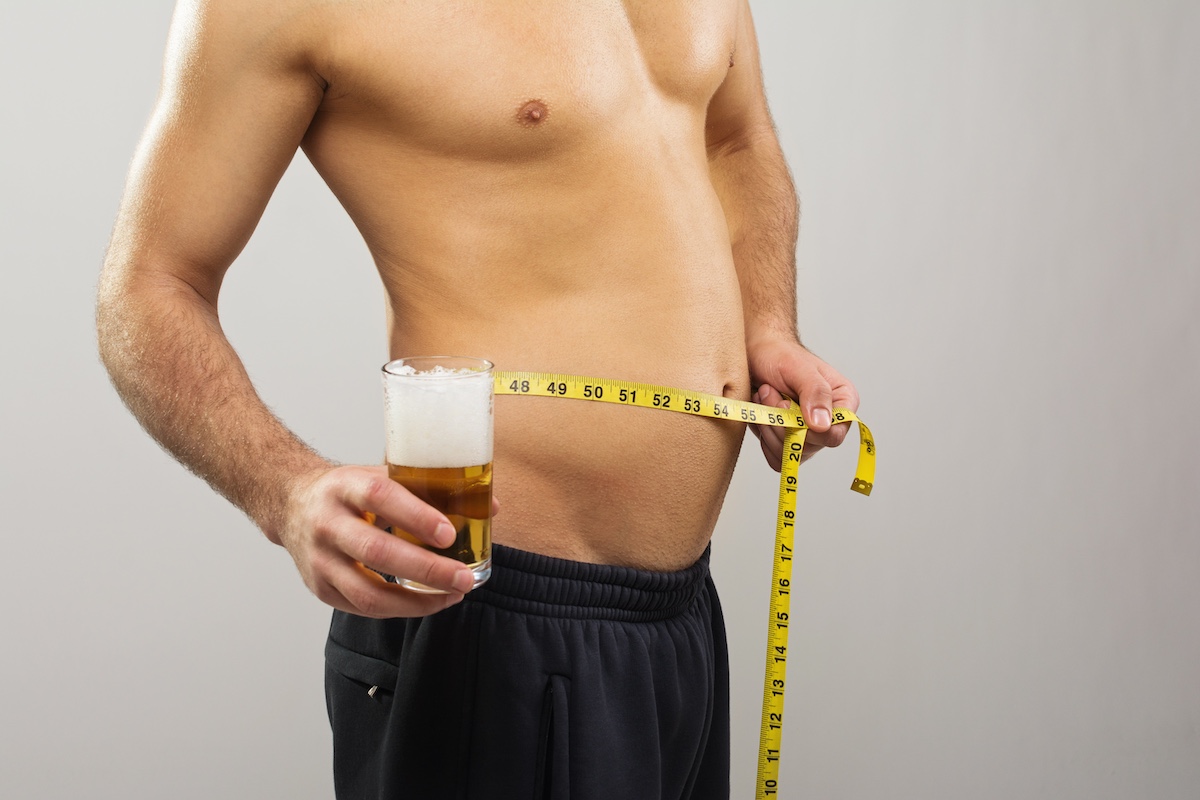
An “alcohol belly” is a common term for increased abdominal size associated with drinking. It isn’t a medical diagnosis, and not every larger stomach is caused by alcohol. In some cases, bloating or fluid buildup related to a medical condition can also cause the abdomen to look swollen.
Understanding the possible causes matters because excess abdominal fat and alcohol-related health problems are not the same thing. This guide explains why heavy drinking may contribute to a larger stomach, what an alcohol belly can look like, the health risks to know about, and when to consider getting help for alcohol use.
What is Alcohol Belly?
Alcohol belly can be the result of excessive alcohol consumption leading to increased calorie intake and fat storage, particularly around the abdomen. Unlike fat stored in other parts of the body, abdominal fat (visceral fat) is more metabolically active and poses greater health risks.
Causes of Alcohol Belly in Men
So how does alcohol affect belly fat? Here are a few ways:
Caloric Content of Alcohol
Alcoholic beverages are high in calories. For example, a pint of beer contains approximately 150-200 calories, and these calories add up quickly during social drinking sessions.
Metabolic Changes
Alcohol can disrupt normal metabolic processes. It often leads to poor dietary choices, where the body prioritizes metabolizing alcohol over other nutrients, resulting in fat storage.
Hormonal Imbalance
Heavy drinking can lead to hormonal changes, including increased cortisol levels (the stress hormone) which is linked to abdominal fat gain.
Decreased Physical Activity
Frequent drinking can lead to reduced motivation for physical activity, contributing to weight gain and muscle loss, particularly around the belly.
If you’re starting to question your drinking habits, learning about the early signs of alcoholism may help you decide whether it’s time to talk with a professional.

Health Risks of Alcohol Belly
Drinking, and the subsequent “alcohol belly” can have real consequences for your health, including:
1. Cardiovascular Diseases
Visceral fat is closely linked to a higher risk of heart diseases and stroke. It contributes to increased blood pressure and unhealthy cholesterol levels.
2. Type 2 Diabetes
Excess abdominal fat increases the risk of insulin resistance, leading to type 2 diabetes.
3. Liver Disease
Chronic alcohol consumption can lead to liver diseases such as fatty liver, hepatitis, and cirrhosis.
4. Mental Health Issues
There is a strong link between excessive alcohol consumption, depression, and anxiety. The presence of an alcohol belly can further exacerbate self-esteem issues and mental health struggles.
How to Address Alcohol Belly in Men
Ready to slim down and improve your health? Here are a few ways you can do that:
1. Reduce Alcohol Intake
The most effective way to reduce an alcohol belly is to cut down on alcohol consumption. Aim for moderation or abstinence to see significant improvements. Cutting back isn’t always simple for people who drink heavily. Learn about alcohol withdrawal symptoms and why medical guidance may be important before stopping.
2. Healthy Diet
Focus on a balanced diet rich in fruits, vegetables, lean proteins, and whole grains. Avoid high-calorie, processed foods that contribute to fat accumulation.
3. Regular Exercise
Incorporate both cardio and strength training exercises into your routine. This helps burn calories and build muscle, aiding in the reduction of belly fat.
4. Seek Professional Help
For those struggling to cut down on alcohol, professional help can make a significant difference.
Southern California Recovery Centers
Southern California’s Premier Outpatient Addiction Recovery Center

How Southern California Recovery Centers Can Help
Southern California Recovery Centers offer specialized programs designed to help men overcome alcohol addiction. After 13 years of excellence, we’re one of the premier treatment centers in the country for men’s long-term care. Our comprehensive approach includes:
Personalized Treatment Plan: We create tailored treatment plans that address the unique needs of each individual, ensuring effective and sustainable recovery.
Therapeutic Support: Our experienced therapists provide counseling and support to address underlying issues related to alcohol addiction and its impact on mental health.
Holistic Approaches: Incorporating holistic methods, such as nutrition, life skills, fitness, and mindfulness practices, we help clients achieve overall well-being.
Aftercare Programs: We offer robust aftercare and alumni programs to ensure clients maintain their sobriety and continue to lead healthy, fulfilling lives post-treatment.
If you or a loved one is struggling with alcohol belly and addiction, don’t wait to seek help. Southern California Recovery Centers is here to support you on your journey to recovery. Contact us today to learn more about our programs and take the first step towards a healthier, alcohol-free life.
FAQ'S
An alcohol belly is a common term for increased abdominal size associated with frequent or heavy alcohol consumption. It may involve excess body fat, bloating, or both. Alcohol can contribute to weight gain because it adds calories and may influence eating habits, sleep, and physical activity. A larger abdomen can also have causes unrelated to alcohol.
People who drink heavily may develop larger stomachs because alcohol contributes extra calories and can affect food choices and daily routines. Long-term heavy drinking can also damage the liver. In some cases, advanced liver disease causes fluid to build up in the abdomen, which is different from ordinary belly fat and requires medical assessment.
There is no single appearance that identifies someone with alcohol use disorder. Some people develop increased fat around the waist, while others may experience abdominal bloating.
Alcohol can contribute to belly fat in men because it adds calories, and drinking may lead to eating more or being less physically active. However, abdominal fat is influenced by several factors, including overall diet, genetics, age, sleep, and activity level. Alcohol is one possible contributor, not the only cause.
Reducing or stopping alcohol can reduce calorie intake and may help with weight management over time. Results vary depending on diet, activity, overall health, and how much alcohol a person was drinking. Exercise and balanced nutrition can support progress, but it is not possible to target belly fat alone through specific exercises.
There is no fixed timeline. Changes depend on drinking patterns, total calorie intake, physical activity, body composition, and whether the abdominal enlargement is caused by fat, bloating, or another medical condition. If the abdomen remains enlarged or becomes swollen, consult a healthcare professional rather than assuming it is simply alcohol-related weight gain.
No. A larger abdomen by itself does not prove that someone has alcohol use disorder. More concerning signs include repeatedly drinking more than intended, struggling to cut down, experiencing cravings, neglecting responsibilities, or continuing to drink despite health or relationship problems. A healthcare professional can assess these signs.