Objective
People are hearing the phrase fentanyl fold more often today, especially in news coverage and community conversations about opioid overdoses. The problem is that many people do not actually know what the term means. Some assume it is slang. Others think it describes intoxication in general. In reality, it refers to a very specific physical warning sign that can appear when fentanyl begins to overwhelm the body.
This article explains the fentanyl fold. It describes what is happening physically, why it signals danger, and how quickly a situation can change once this stage begins. The goal is not to frighten or shame anyone. It is to help people recognize risk early and understand why fentanyl has become so dangerous, even for individuals who believe they understand opioids.
Professionals working in recovery settings, including teams at Socal Recovery, often say that education saves lives because people act faster when they understand what they are seeing.
Key Takeaways
- A fentanyl fold is a visible physical posture caused by heavy opioid sedation.
- It often appears when breathing and brain activity are already slowing.
- Fentanyl works faster and more strongly than many other opioids.
- Early warning signs can look mild and are often ignored.
- Dependence and overdose risk can develop much faster than expected.
- Recognizing danger early allows people to respond before it becomes fatal.
What People Mean By A Fentanyl Fold
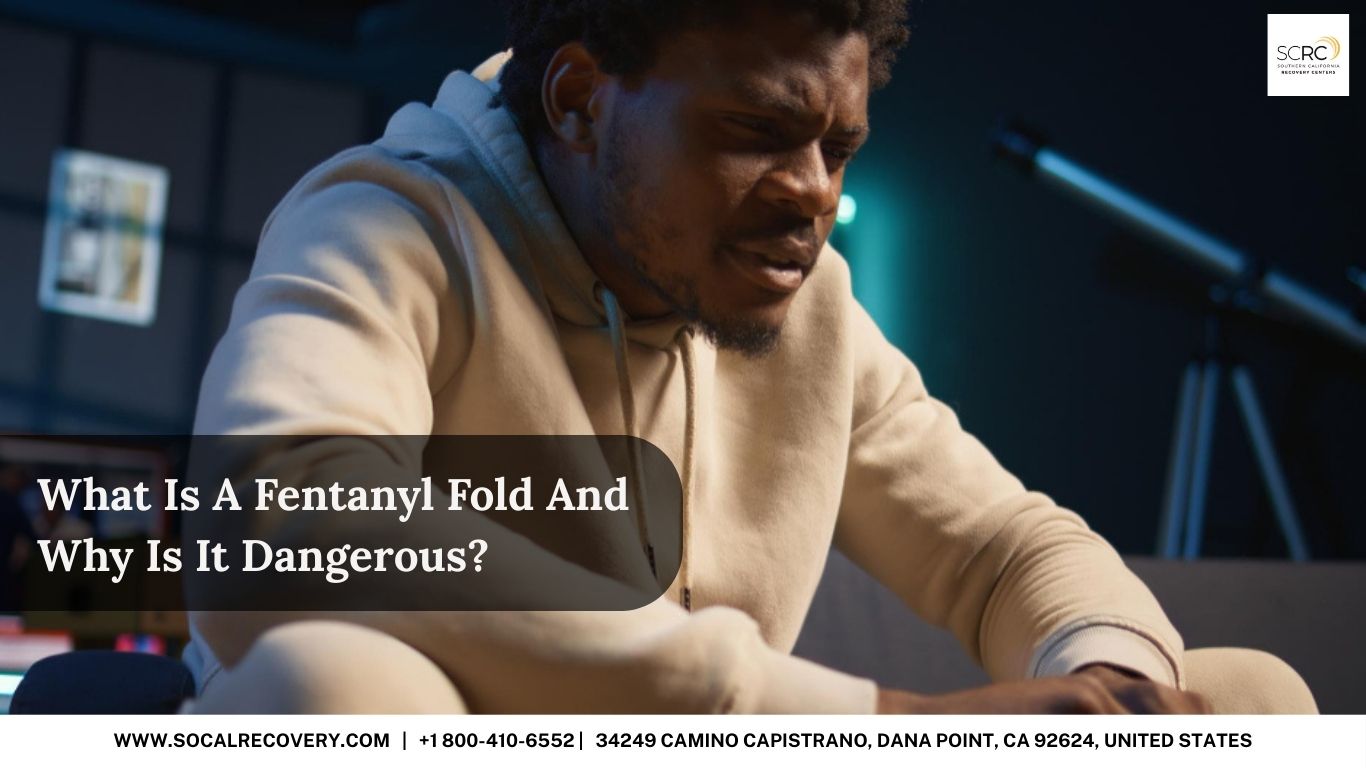
The term fentanyl fold describes a posture that outreach workers and emergency responders began noticing repeatedly. A person appears bent forward, almost frozen in place. Their back curves. Their head hangs down. Sometimes they sway slightly but do not fully fall.
To someone walking by, it can look like exhaustion or deep sleep while standing. That is what makes it so dangerous. The person may still be partially conscious, but their nervous system is slowing to a point where normal body control is fading.
This posture happens because fentanyl suppresses signals between the brain and muscles. The body cannot maintain balance or alertness. At the same time, breathing may already be slowing. The person may not realize anything is wrong.
The fentanyl fold is not simply intoxication. It often appears at the edge between heavy sedation and overdose.
Why Fentanyl Behaves Differently Than Other Opioids
Many people assume fentanyl works like prescription painkillers or heroin, only stronger. That comparison misses an important point. Fentanyl interacts with the brain very quickly and very intensely.
Because of its strength:
- Extremely small amounts can affect breathing.
- Effects arrive faster than expected.
- Users cannot reliably judge dosage.
Another major concern is unpredictability. Fentanyl is frequently mixed with other substances. Someone may believe they are using a stimulant or another opioid without realizing fentanyl is present. This removes the ability to control intake.
Even people with opioid experience are at risk because tolerance does not always protect against fentanyl’s respiratory effects.
What Is Happening Inside The Body

When fentanyl enters the bloodstream, it binds to opioid receptors in the brain. These receptors influence pain relief, relaxation, and breathing rhythm.
As exposure increases, several things begin happening at once:
- The brain reduces alertness.
- Muscles lose coordination.
- Reaction time slows dramatically.
- Breathing becomes shallow and irregular.
The fentanyl fold appears when muscle control weakens enough that posture cannot be maintained. The person may feel calm or detached, which can hide the seriousness of what is happening.
Meanwhile, oxygen levels may already be dropping. This is why people sometimes collapse shortly after appearing only mildly sedated.
Why Overdose Can Happen So Quickly
One of the hardest truths about fentanyl is how little time people may have to react. With some drugs, overdose develops gradually. With fentanyl, the window can be very small.
Breathing slows first. Oxygen decreases next. Consciousness fades soon after. Without oxygen, brain injury can begin within minutes.
Several factors increase risk:
- Using alone
- Changes in tolerance after a break
- Unknown drug mixtures
- Combining substances that also slow breathing
Many overdoses occur because people believe they have more time than they actually do.
Early Signs Many People Mistake For Normal Use
Before a fentanyl fold appears, there are usually smaller warning signs. These are easy to dismiss.
Common early signs include:
- Repeated nodding or drifting in and out of awareness
- Very slow speech
- Difficulty focusing eyes
- Slumped posture while sitting
- Slow or uneven breathing
Because these signs may look calm rather than dramatic, people nearby may not realize danger is increasing.
Recognize Fentanyl Risk Early & Stay Safe
Feeling concerned about fentanyl use? Understand the warning signs, act quickly, and access expert guidance. Safety starts with knowledge now.
Get Help NowHow Dependence Forms Faster Than Expected
Fentanyl changes the brain quickly. The brain adjusts by reducing its own natural reward signals. Over time, the body begins to rely on the drug to feel stable.
Withdrawal symptoms can appear sooner than many expect. These may include anxiety, body aches, sweating, nausea, and strong cravings. At this stage, use often continues not to feel high, but to avoid feeling sick.
This rapid cycle is one reason people feel trapped sooner than they anticipated.
Changes Friends And Family Often Notice First

Loved ones often notice changes before the individual does. These changes may appear subtle at first.
Common observations include:
- Increased sleepiness
- Loss of energy or motivation
- Withdrawal from conversations
- Mood swings or irritability
- Changes in posture or balance
- Missing responsibilities
Approaching these changes with concern rather than accusation often leads to more honest conversations.
Why Mixing Drugs Makes The Risk Worse
Fentanyl becomes far more dangerous when combined with alcohol, sedatives, or other opioids. Each substance slows breathing. Together, they multiply the effect.
A person may believe they used a familiar amount, yet the combined impact overwhelms the body quickly. Many fatal overdoses involve more than one depressant substance.
What To Do If You See A Fentanyl Fold
If someone appears folded forward or is unable to stay awake, assume risk is present.
Practical steps include:
- Try to wake them loudly.
- Check for slow or irregular breathing.
- Call emergency services immediately if breathing seems abnormal.
- Place them on their side if possible.
- Stay nearby until help arrives.
Acting early matters. Waiting to “see if they wake up” can cost valuable time.
Talking About Risk Without Shame
Fear often surrounds conversations about fentanyl. Fear can sometimes turn into blame, which pushes people away from help. Many individuals already feel overwhelmed or ashamed.
Support works best when people feel safe enough to talk honestly. Recovery professionals often focus on listening first. Change usually begins when someone feels understood instead of judged.
At Socal Recovery, this approach is common because trust makes it easier for people to ask for help before a crisis occurs.
FAQs
1. Is a fentanyl fold always an overdose?
Not always, but it is a serious warning sign that overdose risk may be close.
2. Why is fentanyl more dangerous than other opioids?
Its strength and rapid action quickly suppress breathing.
3. Can experienced users still overdose?
Yes. Tolerance does not guarantee safety, especially when potency is unpredictable.
4. What is the biggest early warning sign?
Extreme drowsiness combined with slow breathing.
5. Can recovery happen after fentanyl dependence?
Yes. Many people recover with medical and therapeutic support.
6. When should someone seek help?
As soon as use feels difficult to control or safety becomes a concern.
Conclusion
A fentanyl fold is not simply a sign of intoxication. It is often a visible signal that the body is struggling under the weight of a powerful drug. Understanding this posture helps people recognize danger earlier and respond faster. Fentanyl changes breathing and awareness quickly, which means hesitation can be risky.
If concern is growing for yourself or someone close to you, support does exist. Teams like those at Socal Recovery understand how complex opioid dependence can feel and offer confidential guidance without judgment. Reaching out does not mean committing to anything immediately. Sometimes it simply means starting a conversation that moves someone toward safety.