Objective
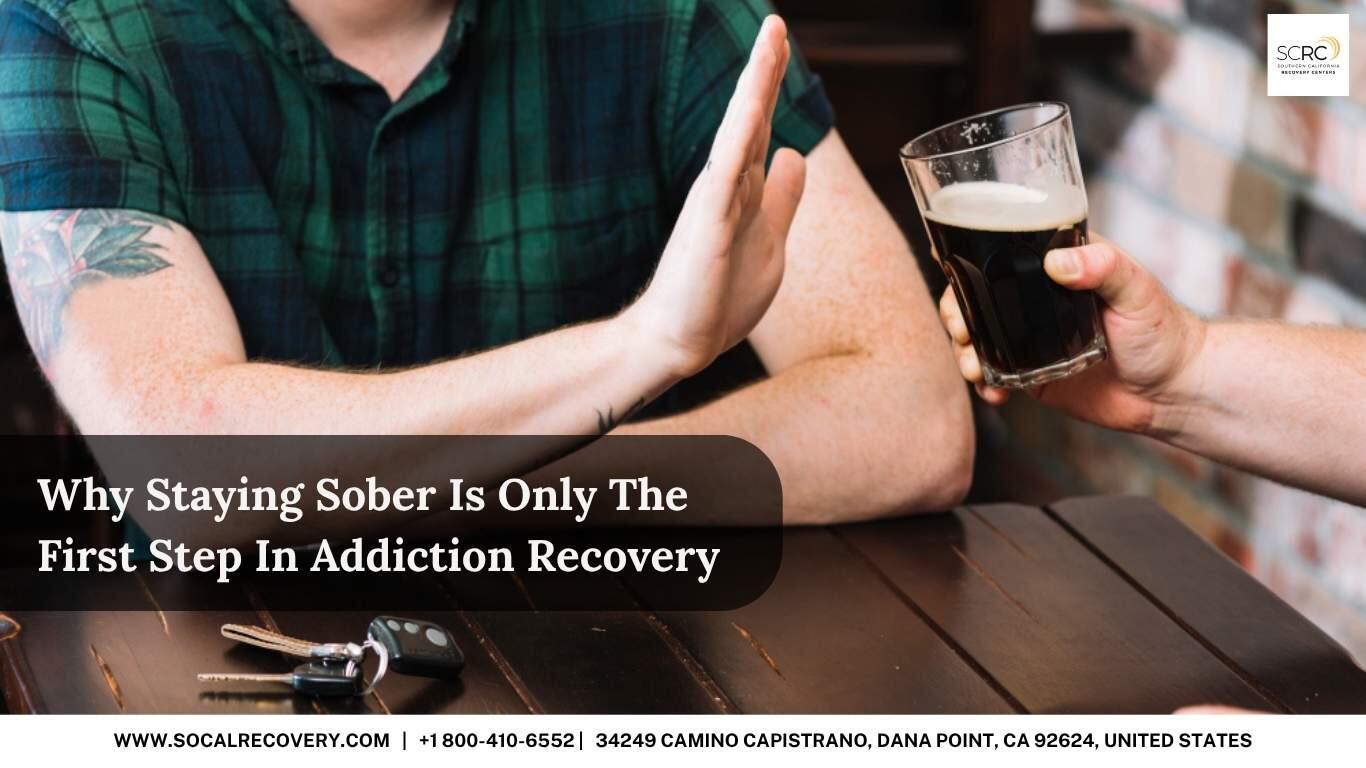
This article explains why sobriety is only the beginning of addiction recovery. It looks at what happens after a person stops using alcohol or drugs, why deeper healing still needs to happen, and how people can build a more stable life over time. It also covers the stages of recovery from addiction, the role of therapy, recovery support, outpatient care, and why relapse prevention remains important long after the first days of treatment.
Key Takeaways
- Sobriety is a major first step, but it is not the whole of addiction recovery.
- Real recovery includes emotional, mental, and behavioural change.
- The stages of recovery from addiction often continue long after detox ends.
- Therapy, counselling, and support groups help people deal with the causes behind substance use.
- Outpatient recovery support can help people stay connected to treatment while rebuilding daily life.
- Relapse prevention is not a one-time lesson. It is part of long-term recovery.
What Sobriety Means
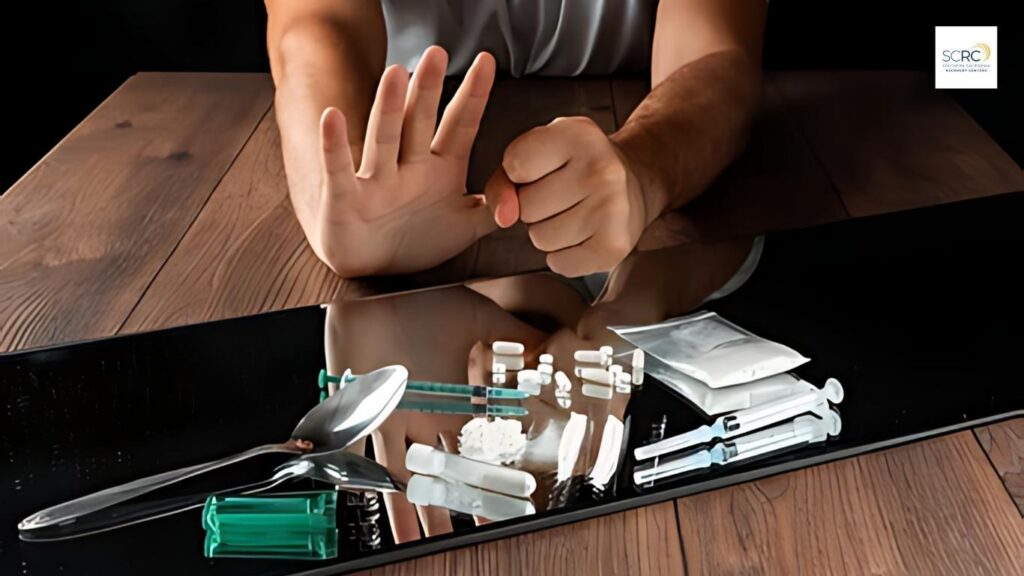
Sobriety means a person has stopped using alcohol or drugs. That is a serious achievement. For many people, it is the hardest step they have taken in years. It may begin with a moment of honesty, a family conversation, a crisis, or a decision that life cannot continue as before.
In simple terms, sobriety is about stopping the substance. It is about no longer drinking, using, or relying on something harmful to get through the day. In some cases, it starts with detox. In others, it begins through residential treatment, medical care, or structured support.
But this is where many people get confused. They think the problem is solved once the substance is gone. They think not using means the person is fully well again. That is understandable, but it misses what addiction recovery really involves.
A person can be sober and still feel lost, angry, ashamed, anxious, or deeply overwhelmed. They can be sober and still not know how to manage stress, relationships, or painful emotions. That is why organisations such as Southern California Recovery Centres often speak of recovery as a process rather than a single event. Stopping use matters, but healing the rest of life matters too.
Why Sobriety Alone Does Not Equal Recovery
Substance use usually does not damage just one part of a person’s life. It affects their body, their thinking, their habits, their relationships, and their sense of self. It often changes how they sleep, work, cope, and connect with others.
When the alcohol or drugs are removed, the damage does not vanish overnight.
A person may still be dealing with:
- anxiety or low mood
- poor coping habits
- guilt about the past
- damaged family relationships
- lack of routine
- poor decision-making under stress
- loneliness and isolation
- fear of relapse
That is why addiction recovery has to go beyond sobriety. If a person only stops using but never learns how to deal with what drove the addiction, the risk stays high. The outside may look different, but the inside may still feel chaotic.
Long-term recovery is about more than saying no to substances. It is about learning how to live without them. That includes learning how to deal with pain, boredom, conflict, disappointment, and pressure in healthier ways.
This is where real growth begins.
The Stages Of Recovery From Addiction
The stages of recovery from addiction do not look the same for every person, but most people move through a few common phases. Knowing this helps because it reminds people that recovery is not meant to be instant.
1. Awareness And Acceptance
This is the stage where a person starts to recognise that substance use is causing harm. They may still feel uncertain. They may deny the problem one day and admit it the next. Even so, something begins to shift.
2. Detox And Early Sobriety
This stage focuses on stopping use safely. For some people, detox is medically necessary. For others, early sobriety brings exhaustion, mood swings, cravings, and discomfort. This period can feel raw and unstable.
3. Active Treatment
This is where deeper work begins. People may enter counselling, therapy, group support, or structured care. They begin to look at triggers, habits, trauma, family patterns, and the thoughts that support addiction.
4. Ongoing Recovery
This stage often gets less attention, but it matters most. The person is no longer in the crisis of detox, yet they still need help living differently. This is where routines, relationships, work, and self-control have to be rebuilt.
5. Long-Term Maintenance And Growth
Recovery becomes part of daily life. The person keeps learning, keeps using support, and keeps practising relapse prevention. This is not about perfection. It is about consistency.
Understanding the stages of recovery from addiction helps people set better expectations. Healing is not quick. It often comes in layers.
Emotional Healing After Quitting
Many people are surprised by what they feel once they stop using. During active addiction, substances often numb pain or help a person avoid difficult emotions. When that numbing effect is gone, feelings can come back with force.
A person in early recovery may feel:
- Shame about what happened during addiction
- Sadness about lost years
- fear about starting again
- anger at themselves or others
- grief over damaged relationships
- worry about the future
This does not mean recovery is failing. It often means that real feelings have started to return.
Emotional healing is a huge part of addiction recovery. A person needs to learn how to sit with difficult emotions without running from them. That takes time and support. Therapy can help people understand what they feel and why. Support groups can help them realise they are not the only ones carrying guilt, grief, or fear.
Recovery is not about becoming emotionally perfect. It is about becoming emotionally honest. It is about learning that pain can be faced without going back to substance use.
Mental Growth In Addiction Recovery
Addiction affects thought patterns as much as behaviour. Over time, many people begin thinking in ways that keep them stuck. They may believe they are too damaged to change. They may blame everyone around them. They may tell themselves that one bad day means total failure.
Mental growth means changing those patterns slowly and honestly.
This often includes learning how to:
- notice negative self-talk
- Challenge hopeless thinking
- pause before reacting
- make better decisions under stress
- build patience
- accept responsibility without drowning in shame
This is one reason therapy matters so much. Good therapy does not just tell people to stay sober. It helps them understand how their mind works. It helps them notice the link between thoughts, feelings, and actions.
That kind of work matters because many relapses begin in the mind before they happen in real life. A person may become isolated, resentful, overwhelmed, or convinced that recovery is no longer worth the effort. Mental growth helps interrupt that pattern before it becomes dangerous.
Behavioural Change And Daily Structure
A person may stop using, but recovery still asks them to live differently. That means behaviour has to change too.
Daily structure sounds simple, but it often makes a huge difference. Addiction usually thrives in chaos. Recovery usually grows in routine.
Helpful changes may include:
- waking up at a regular time
- eating properly
- attending treatment or support sessions
- keeping distance from risky environments
- spending time with healthier people
- rebuilding work habits
- setting clear boundaries
These are not dramatic changes, but they are powerful ones. They help create a life that supports sobriety instead of putting pressure on it.
This stage can feel frustrating because progress may look ordinary. A person is no longer in crisis, but they are not instantly healed either. They are learning how to live day by day without the old escape. That is real addiction recovery, even when it looks quiet from the outside.
Treatment Options That Support Long-Term Recovery
A strong recovery often involves more than one kind of help. Different people need different levels of care, but long-term healing usually improves when support continues after the first crisis has passed.
Detox
Detox helps the body safely clear substances. It is often the first medical step, especially when withdrawal could be dangerous.
Counselling
Counselling gives people room to talk through stress, family issues, trauma, habits, and emotional pressure. It can help them understand why substance use became part of their life.
Therapy
Therapy plays a central role in addiction recovery. It helps people work through triggers, thought patterns, emotional wounds, and behaviours that keep them stuck.
Support Groups
Support groups reduce isolation. They remind people that recovery is not something they have to carry alone. Hearing other people’s stories can also build hope and accountability.
Aftercare
Aftercare supports the period after formal treatment. This may include follow-up appointments, planning, support sessions, and guidance during daily life.
Recovery Support Outpatient Care
Outpatient recovery support helps people stay engaged in treatment while living at home. This can be a strong option for people who need structure but are also returning to work, family, or community life.
In the middle of long-term care planning, Southern California Recovery Centers may be one of the names people encounter when searching for support that continues beyond early treatment. The wider point is that ongoing care matters. People do better when help does not end the moment they stop using.
Why Recovery Support Outpatient Care Matters

Recovery support outpatient care deserves special attention because many people need support after detox or residential treatment, but not all of them need twenty-four-hour care.
Outpatient support can help with:
- regular counselling
- continued therapy
- accountability
- relapse planning
- schedule and structure
- connection to the recovery community
This kind of care can be especially useful during the middle stages of recovery, when life becomes busy again. Work, family demands, stress, and old triggers often return at the same time. Without support, that pressure can build quietly.
Recovery support outpatient care creates a bridge between treatment and everyday life. It helps people practise recovery in the real world while still having guidance around them.
Relapse Prevention Is Part Of Real Recovery
Relapse prevention is not about assuming failure. It is about planning for reality.
Relapse rarely happens in a single moment. It often starts earlier, with emotional strain, poor sleep, secretive thinking, isolation, overconfidence, or the return of old habits. By the time a person uses again, the warning signs may have been there for days or weeks.
Good relapse prevention often includes:
- knowing personal triggers
- noticing changes in mood or behaviour
- staying connected to support
- keeping honest routines
- continuing therapy
- asking for help early
This matters because people in recovery are still human. They still face stress, grief, conflict, and disappointment. Relapse prevention gives them tools before things fall apart.
A person does not protect recovery by pretending risk is gone. They protect recovery by staying alert and staying supported.
Building A Life Beyond Substance Use
The goal of addiction recovery is not just to remove alcohol or drugs. The deeper goal is to help a person build a life that feels stable, meaningful, and worth protecting.
That may include:
- repairing family trust
- building healthier friendships
- finding purpose in work
- improving physical health
- learning to enjoy ordinary life again
- creating daily structure
- developing self-respect
This is where recovery becomes more than abstinence. A person starts to grow. They start to see themselves as someone capable of change, not just someone trying not to fail.
That shift matters. It is one of the clearest signs that recovery is becoming real and lasting.
Final Thoughts
Sobriety is a major first step, but it is only the beginning of addiction recovery. Real healing takes longer because it asks for more. It asks for emotional honesty, mental growth, behaviour change, strong support, and ongoing relapse prevention. The stages of recovery from addiction may feel slow, but that does not mean nothing is happening. It means the work is deeper than simply quitting.
With detox, counselling, therapy, aftercare, support groups, and recovery support outpatient care, people have a better chance of moving from early sobriety into long-term recovery. Southern California Recovery Centers is one example of the kind of support people may seek. Still, the larger message is simple: stopping substances matters, yet healing the life underneath matters just as much.
Ready to Heal Beyond Just Staying Sober?
Struggling after sobriety? Get the support, tools, and guidance you need to rebuild your life, manage triggers, and create lasting recovery starting today.
Get Help NowFAQs
1. Is Sobriety The Same As Addiction Recovery?
No. Sobriety means a person has stopped using alcohol or drugs. Addiction recovery includes the emotional, mental, and behavioural healing that comes after.
2. What Are The Main Stages Of Recovery From Addiction?
The stages of recovery from addiction often include awareness, detox, early sobriety, active treatment, ongoing recovery, and long-term maintenance.
3. Why Is Therapy Important In Addiction Recovery?
Therapy helps people understand their triggers, emotions, thought patterns, and habits. It supports change beyond simply stopping substance use.
4. What Is Recovery Support Outpatient Care?
Recovery support outpatient care is ongoing treatment while a person lives at home. It may include counselling, therapy, groups, and regular support.
5. Why Does Relapse Prevention Matter Even After Someone Gets Sober?
Relapse prevention matters because stress, isolation, and old thought patterns can return. Planning for those risks helps protect long-term recovery.
6. Can A Person Recover Without Ongoing Support?
Some may try, but most people do better with support over time. Recovery often becomes stronger when people stay connected to care, structure, and community.